
 Tarafından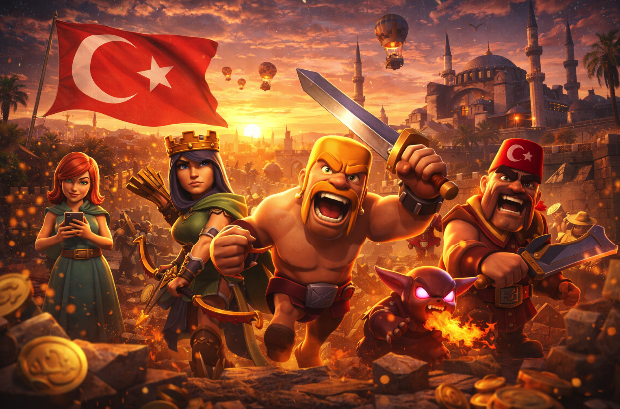
Clash of Clans arrived in Turkish app stores in 2012, and something unexpected happened. What Supercell designed as a global mobile game became a cultural phenomenon in Turkey specifically. Over a decade later, while gaming trends cycle through battle royales, auto-chess games, and the latest viral sensation, Turkish players remain devoted to building villages, training troops, and coordinating clan wars. The commitment runs so deep that Turkish players represent one of the most active communities globally, with many maintaining multiple clash of clans account profiles through services like Gameboost to experience different progression stages or competitive tiers simultaneously. Understanding why requires looking beyond gameplay mechanics into how the game intersected with Turkish gaming culture at exactly the right moment.
The Perfect Storm of 2012-2014
When Clash of Clans gained traction in Turkey, several factors aligned perfectly. Mobile gaming was transitioning from simple time-wasters to legitimate gaming experiences. Smartphones were becoming affordable enough for widespread adoption, but home consoles and gaming PCs remained expensive for many Turkish households. Clash of Clans filled this gap, offering depth and competitive gameplay on devices people already owned.
The game’s free-to-play model resonated particularly well. Turkish players could experience the full game without upfront costs, progressing through skill and time investment rather than mandatory purchases. This democratized competitive gaming in ways console and PC titles couldn’t match at the time. For players who’ve taken breaks or want to experience different progression stages, services like Gameboost now offer options for coc account acquisition, particularly useful when returning to the game after extended absences and wanting to compete at higher Town Hall levels without repeating years of grinding.
Social dynamics played an equally crucial role. The clan system transformed Clash from a solo experience into a community activity. Turkish players formed clans with real-life friends, classmates, coworkers, and family members. These weren’t just gaming groups but extensions of existing social circles, strengthening the game’s hold on daily routines.
The Clan Culture Phenomenon
Turkish clan culture in Clash of Clans developed unique characteristics. Clans became highly organized communities with hierarchical structures, donation rules, war strategies, and internal politics. Leaders commanded genuine respect, war generals planned attacks with military precision, and active participation became a social expectation.
This organizational approach mirrored broader Turkish cultural values around community, hierarchy, and collective achievement. Success in clan wars wasn’t individual glory but group triumph. Letting your clan down in war felt like actual betrayal, creating emotional investment that transcended typical gaming experiences.
The competitive nature intensified this bond. Turkish clans developed reputations, rivalries, and alliances. WhatsApp groups dedicated to clan coordination buzzed constantly. War attacks were spectated live, with members providing real-time commentary and coaching. This transformed Clash of Clans into a genuine esport at the grassroots level, years before mobile esports gained mainstream recognition.
The Longevity Question
So why, after twelve years, do Turkish players still log in daily? The answer involves both Supercell’s design philosophy and the specific ways Turkish players engage with the game.
Supercell’s continuous content updates keep the meta evolving. New troops, buildings, balance changes, and Town Hall levels provide perpetual progression goals. For players who started at Town Hall 7 in 2013, the journey to maxed Town Hall 16 in 2026 represents years of investment that’s difficult to abandon.
The sunk cost factor intensifies for Turkish players who’ve maintained accounts since the early years. These aren’t just game accounts but digital monuments to persistence. Years of daily play, thousands of war stars, fully upgraded bases, these represent genuine achievement. Walking away means discarding that history.
The Social Investment
For many Turkish players, Clash of Clans isn’t primarily about the game anymore. It’s about the relationships built through years of clan membership. Clans that formed in 2013 still operate today, with core members who’ve known each other for over a decade solely through this game.
These relationships extend beyond Clash. Clan members attend each other’s weddings, help with job opportunities, provide support during difficult times. The game became the initial connection point for genuine friendships that transcended the digital realm.
This social infrastructure ensures continued engagement even when individual interest in gameplay mechanics wanes. Players log in because their friends are there. They participate in wars because their clan depends on them. The game becomes less entertainment and more social obligation, but in ways that feel meaningful rather than burdensome.
The Mobile Gaming Landscape Evolution
Turkey’s gaming market evolved dramatically since 2012, yet Clash of Clans maintained relevance. While newer games offer superior graphics, more complex mechanics, or trendier gameplay loops, none replicated Clash’s specific combination of strategic depth, social integration, and accessible-yet-competitive design.
Games like PUBG Mobile, Mobile Legends, and Brawl Stars gained massive Turkish followings, but often among different demographics or as secondary games rather than Clash replacements. Turkish players who invested years in Clash tend to add these games to their rotation rather than abandoning their villages entirely.
The game’s asynchronous nature helps longevity too. Unlike real-time competitive games requiring hour-long sessions, Clash accommodates busy schedules. Check in, start upgrades, attack a few times, done. This flexibility suits Turkish players juggling work, family, and other commitments while maintaining gaming connections.
The Generational Shift
An interesting development emerged as Clash of Clans aged: generational play. Players who started as teenagers in 2012 are now adults with careers and families. Some introduce the game to younger siblings or even their own children, creating multi-generational clan participation.
This creates unique dynamics where a clan might include players spanning twenty years in age, from teenagers to parents playing together. The game’s relatively simple core mechanics and family-friendly presentation facilitate this unusual demographic spread, rare in competitive gaming.
Nostalgia and Comfort
For Turkish players who’ve been active since the early years, Clash of Clans represents gaming nostalgia while remaining actively played. It’s simultaneously a current game and a nostalgic experience, triggering memories of different life periods while providing ongoing engagement.
The familiar sounds, the satisfaction of three-star attacks, the anticipation before war results, these elements create comfort through repetition. In an industry obsessed with innovation and disruption, Clash offers stability. The game you loved in 2013 is recognizably the same game in 2026, just evolved and expanded.
The Competitive Scene
While never developing a massive official esport scene like some mobile games, Turkish Clash of Clans maintains a robust competitive community. Tournament organizers, streaming content creators, strategy guides produced in Turkish, these emerged organically from the player base.
Turkish content creators built audiences explaining war strategies, showcasing perfect attacks, reviewing base designs. This content ecosystem reinforces engagement, providing entertainment and education that extends the game’s value beyond just playing.
The Economic Factor
In a country where economic fluctuations affect gaming budgets, Clash’s established free-to-play model with optional spending provides stability. Players can remain competitive without continuous expenditure, making it more sustainable than subscription-based games or titles requiring frequent new purchases.
The game respects time investment. A free-to-play player who logs in daily and plays intelligently can compete against moderate spenders, creating a sense of fairness that encourages long-term commitment regardless of budget.
Why We Won’t Stop
The question isn’t really why Turkish players still play Clash of Clans. It’s what would make us stop. The answer for many: nothing short of the servers shutting down.
We’re not playing just because the game remains good, though it does. We’re playing because stopping means abandoning communities we’ve built, progress we’ve achieved, and routines we’ve maintained through different life chapters. Clash of Clans became woven into Turkish gaming identity in ways that transcend the app itself.
New players still join, bringing fresh energy while veterans provide mentorship and stability. The cycle continues, suggesting that even as mobile gaming evolves, Clash of Clans’ position in Turkish gaming culture remains secure for years to come.